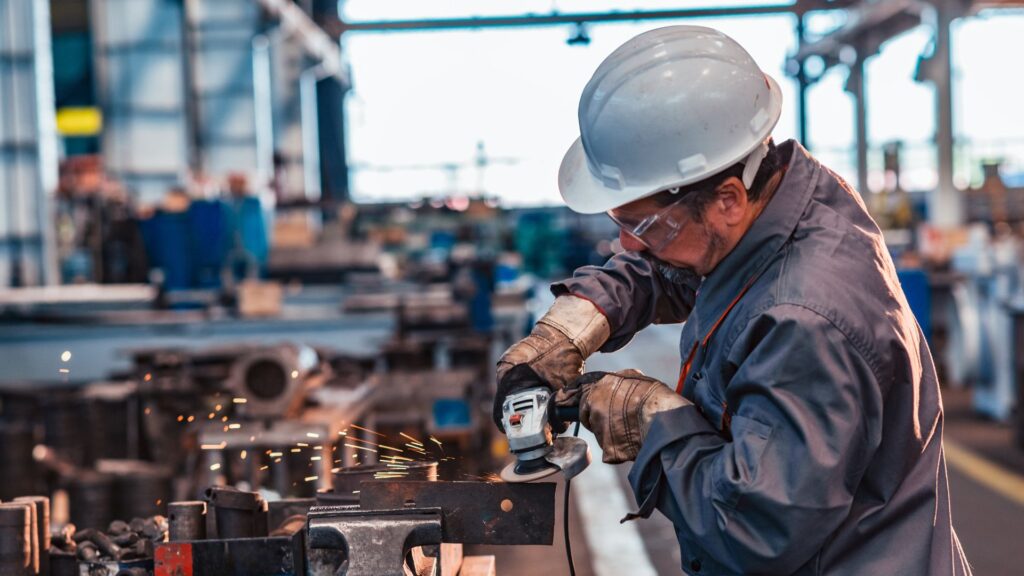
what is a millwright? duties, tools, and wages in Canada

For anyone exploring a hands-on career in manufacturing or industrial maintenance, understanding what is a millwright is an important first step. Millwrights play a critical role in keeping Canadian industry moving by installing, maintaining, troubleshooting, and repairing the machinery that powers production facilities. From food processing plants to automotive operations and large-scale manufacturing environments, these skilled trades professionals help reduce downtime and keep equipment operating safely and efficiently. For readers considering this path, resources such as How to Become a Millwright in Canada: An Industry Overview and A Day in the Life of Millwrights: What You Need to Know offer helpful next steps.

What Is a Millwright?

A Simple Definition of a Millwright

A millwright is a skilled trades professional who installs, dismantles, repairs, assembles, moves, and maintains industrial machinery and mechanical equipment. In Canada, the trade is often closely associated with industrial mechanics because the work involves precision, alignment, calibration, and ongoing equipment maintenance in production-driven environments. Millwrights are the people employers depend on when critical machinery must be set up properly, inspected regularly, and repaired quickly to avoid costly production delays.

What Industries Hire Millwrights in Canada?

Millwrights are employed across a wide range of industries, including manufacturing, packaging, food and beverage processing, automotive production, utilities, construction, mining, and distribution. Any workplace that relies on conveyors, pumps, compressors, turbines, processing systems, or heavy mechanical equipment may require millwright support. This broad demand is one reason many job seekers turn to Canada’s leading employment agency when they want access to industrial roles that match their experience, schedule, and long-term goals.

What Does a Millwright Do?

Core Duties of a Millwright

Millwright duties revolve around ensuring industrial equipment operates correctly and efficiently. Their responsibilities often include installing new machinery, reading blueprints and technical drawings, disassembling damaged equipment, replacing worn parts, aligning components, and testing machinery after repairs. They also perform preventive maintenance to identify problems before they lead to breakdowns. In many workplaces, millwrights are involved in both scheduled maintenance and emergency repair work, which makes their role central to daily operations.

Daily Responsibilities on the Job

On a typical shift, a millwright may inspect mechanical systems for wear, listen for irregular machine sounds, check moving parts for alignment, lubricate equipment, and respond to sudden production stoppages. They frequently collaborate with electricians, welders, supervisors, and maintenance planners to keep operations on track. Accurate documentation is also important, since maintenance logs and repair records help employers monitor equipment performance over time. Articles like Heavy Machinery Maintenance Tips: A Millwright’s Guide provide further insight into the practical side of the job.

Why Millwrights Are Essential to Employers

Millwrights are essential because equipment downtime can be expensive, disruptive, and potentially unsafe. A skilled millwright helps prevent production losses by spotting mechanical issues early and carrying out repairs with precision. Their work can improve operational efficiency, extend machinery lifespan, and support overall workplace safety. For employers seeking dependable maintenance talent, partnering with experienced recruiters through staffing solutions can make it easier to secure qualified candidates for both temporary and long-term industrial roles.

Essential Skills Every Millwright Needs

Technical Skills

Strong technical ability is at the heart of millwright work. Millwrights need a solid understanding of mechanical systems, power transmission, hydraulics, pneumatics, bearings, gears, and conveyor systems. They must also know how to interpret blueprints, use precision measuring instruments, and perform alignments that meet exact tolerances. Troubleshooting is one of the most valuable technical strengths in this trade, since many mechanical issues are diagnosed through a combination of observation, testing, and practical experience.

Soft Skills

While technical knowledge is vital, soft skills also matter. Millwrights need attention to detail, communication skills, teamwork, and a calm approach under pressure. Since many repair situations affect production deadlines, employers value workers who can think logically and act efficiently. Reliability and adaptability are also important, especially in facilities where priorities can shift quickly during breakdowns or shutdowns.

Physical and Safety Requirements

Millwrights often work on their feet for long periods, lift heavy components, climb ladders, and access machinery in confined or elevated spaces. Because of this, physical stamina and body awareness are important. Safety is equally critical. Millwrights must follow lockout/tagout procedures, wear personal protective equipment, and follow site-specific health and safety rules. Employers looking for safety-conscious tradespeople often work with staffing agencies toronto businesses trust to source candidates who are job-ready and familiar with industrial environments.

How Much Do Millwrights Make in Canada?

Average Millwright Wages in Canada

Millwright wages in Canada can vary based on province, certification level, years of experience, industry, and shift schedule. In general, apprentices tend to earn less while building skills, while certified and experienced millwrights can command stronger hourly rates. A common range for millwright wages in Canada is roughly from the high twenties to the mid-forties per hour, with some specialized or unionized positions paying more. Overtime, night shifts, shutdown work, and premium industrial environments can also increase total earnings.

Factors That Affect Millwright Pay

Several factors influence what a millwright earns. Apprenticeship status is one of the biggest, since wages typically rise as apprentices complete training hours and progress through each level. Certification, including Red Seal recognition, can improve mobility and earning potential. Industry matters as well, with sectors such as heavy manufacturing, mining, utilities, and large processing facilities often offering stronger compensation. Geographic location also affects wages, as some provinces and regions experience higher demand for industrial maintenance professionals. Career-focused candidates often compare these opportunities with broader skilled trades trends in Top 10 Highest Paying Trades in Canada.

How to Become a Millwright in Canada

Typical Career Path

In Canada, becoming a millwright usually starts with a high school education or equivalent, followed by apprenticeship training that combines classroom learning with paid on-the-job experience. Apprentices learn how to install machinery, perform maintenance, read technical drawings, work safely, and use precision tools. Once training requirements are completed, individuals may pursue certification depending on provincial requirements and career goals. Those interested in building a long-term future in the trade can explore more detailed guidance through How to Become a Millwright in Canada: An Industry Overview.

Is Millwright a Good Career Choice?

Millwright can be an excellent career for people who enjoy mechanical problem-solving, hands-on work, and industrial environments. The trade offers strong earning potential, transferable skills, and access to sectors that continue to rely on experienced maintenance professionals. It may be especially appealing to workers who want a role that combines physical activity with technical precision. Candidates interested in current openings can browse available jobs or explore skilled trades jobs to see where their experience may fit.

Where to Find Millwright Jobs in Canada

What Employers Look For

Employers usually want millwright candidates who combine technical knowledge with dependability, safety awareness, and practical industrial experience. Familiarity with conveyors, pumps, motors, gearboxes, hydraulics, and preventive maintenance programs is often highly valued. Certifications, shutdown experience, and comfort with shift work can also strengthen a candidate’s profile. For businesses looking to hire efficiently, working with Canada’s leading employment agency can help reduce time-to-hire while improving access to pre-screened industrial talent.

Apply for Millwright and Skilled Trades Jobs

Millwrights seeking new opportunities can improve their chances by working with recruiters who understand manufacturing, maintenance, and skilled trades hiring. Whether someone is looking for temporary assignments, contract work, or permanent placement, specialized support can make the search more targeted and efficient. Job seekers can start by visiting the job board or browsing skilled trades opportunities. Employers can also learn more about direct hire services, temporary staffing support, and payroll services to support changing workforce needs.

Conclusion:

Understanding what is a millwright gives job seekers and employers a clearer picture of one of Canada’s most valuable skilled trades. Millwrights install, maintain, troubleshoot, and repair the machinery that keeps production facilities running, and their expertise continues to be in demand across manufacturing and industrial operations. For those considering this path, learning more through A Day in the Life of Millwrights, How to Become a Millwright in Canada can be a smart next move. Whether you are hiring or searching for your next opportunity, what is a millwright is more than a basic career question—it is the starting point to understanding a trade that keeps Canadian industry productive, safe, and moving forward.

Frequently Asked Questions (FAQs)

A millwright is responsible for installing, moving, maintaining, troubleshooting, and repairing industrial machinery. Their work helps ensure equipment runs safely, accurately, and efficiently in industrial environments.
Millwrights use hand tools, measuring tools, power tools, lifting equipment, and safety gear. Common examples include wrenches, socket sets, dial indicators, calipers, torque wrenches, grinders, drills, hoists, and alignment tools.
Millwright wages in Canada often range from the high twenties to the mid-forties per hour, depending on apprenticeship level, certification, industry, experience, and location. Some specialized or unionized roles may pay more.
Yes, millwright is widely seen as a strong skilled trade career in Canada because of its solid wage potential, practical work environment, and continued demand across manufacturing and industrial sectors.
The timeline depends on the apprenticeship route and provincial structure, but becoming a fully trained millwright generally takes several years of combined classroom and on-the-job training.
Yes, millwrights are in demand in Ontario and many other parts of Canada, especially in manufacturing, food processing, automotive, packaging, and other industrial sectors where equipment uptime is critical.
A millwright is typically more specialized in industrial machinery, alignment, installation, and mechanical repair, while a maintenance technician may handle a broader range of general maintenance tasks across a facility.
Recent Posts

high paying skilled trades in Ontario- 12 careers employers can’t fill

Explore 12 high-demand, high paying skilled trades in Ontario that employers struggle to hire for—plus training paths, apprenticeship tips, and how to get hired faster.
Read More

How job agencies in etobicoke help you land work faster

Discover how job agencies in Etobicoke connect you with employers faster, streamline interviews, and help you land temp or permanent work—especially in manufacturing and skilled trades.
Read More

How Staffing Agencies in Toronto Support Growth for Employers and Candidates

Discover how staffing agencies in Toronto help employers scale faster and help candidates land better roles—temporary, contract, and direct-hire pathways included.
Read More

In-Demand Jobs in Canada- Where Employers Are Hiring Right Now

Discover the most in-demand jobs in Canada right now—by industry, skills, and region—plus certifications, hiring tips, and where to apply with Pure Staffing Solutions.
Read More

How Recruitment Agencies Toronto Are Solving Skilled Labor Shortages

Discover how recruitment agencies Toronto are tackling the skilled labor shortage by connecting employers with qualified trades professionals. Learn how staffing agencies Toronto support businesses and job seekers across manufacturing and industrial sectors.
Read More

Why a Job Agency Brampton Is the Smart Choice for Career Stability

Looking for long-term career stability in Brampton? Discover how a job agency in Brampton can connect you with secure skilled trades and manufacturing jobs, faster placements, and long-term growth opportunities.
Read More