

Why Skilled Trades Recruitment Is Becoming More Difficult in Canada (And How Employers Can Stay Ahead)
The Growing Skills Gap Is Reshaping Canadian Manufacturing

Walk through almost any manufacturing facility in Canada today and the conversation quickly turns to one pressing concern: finding qualified skilled trades professionals. Whether the requirement is for an experienced millwright, industrial electrician, CNC programmer, robotic welding technician, maintenance mechanic, or production supervisor, employers are discovering that filling these positions has become significantly more difficult than it was even five years ago.
This challenge is no longer limited to large manufacturers or specialized industries. Businesses of every size are competing for the same shrinking pool of experienced tradespeople. As retirements accelerate, infrastructure projects expand, and advanced manufacturing continues to evolve, the demand for skilled workers has grown much faster than the available supply. The result is an increasingly competitive hiring environment where vacancies remain open for months instead of weeks, productivity suffers, and expansion plans are often delayed due to labour shortages.
Canada’s manufacturing sector continues to play a vital role in the national economy, employing hundreds of thousands of professionals across automotive, food processing, aerospace, construction materials, steel fabrication, packaging, plastics, pharmaceuticals, and industrial equipment manufacturing. While investments in automation and technology continue to modernize facilities, they have also increased the need for highly skilled technicians who can install, maintain, troubleshoot, and optimize sophisticated production systems.
Many employers initially assume that posting vacancies across online job boards will generate enough qualified applicants. Unfortunately, the recruitment landscape has changed dramatically. Experienced trades professionals are no longer actively searching for jobs every day. Most are already employed, frequently receiving multiple recruitment offers, and willing to consider new opportunities only if the employer presents a compelling career path, competitive compensation, and long-term stability.
This shift has fundamentally changed how organizations must approach recruitment. Success today requires far more than advertising vacancies. Employers need a proactive hiring strategy that combines industry expertise, workforce planning, employer branding, and access to passive candidates who are rarely visible through traditional recruitment channels.
Why Traditional Hiring Methods No Longer Deliver Skilled Trades Talent
Many organizations continue relying on recruitment methods that worked well a decade ago. Posting vacancies on company websites, waiting for applications, or relying solely on internal HR departments often produces disappointing results when hiring skilled trades professionals. The hiring market has evolved, but many recruitment strategies have not.
One of the biggest reasons is that experienced tradespeople are rarely unemployed. Licensed electricians, millwrights, industrial mechanics, maintenance technicians, and automation specialists typically move directly from one employer to another. Because they already have stable employment, they are unlikely to spend time searching job boards or submitting dozens of applications. Instead, they evaluate opportunities presented directly through professional networks or specialized recruitment partners who understand their career goals.
Competition between employers has also intensified. Manufacturing jobs in companies across Ontario and throughout Canada are investing heavily in expansion, modernization, and automation. These investments have increased demand for professionals who possess both technical expertise and practical industry experience. Since the available talent pool has not expanded at the same pace, employers frequently compete for the very same candidates.
Another common challenge involves unrealistic hiring expectations. Businesses often create job descriptions requesting extensive certifications, multiple years of experience, advanced technical knowledge, supervisory abilities, software expertise, and specialized equipment experience—all within a single role. While the ideal candidate may exist, they are exceptionally rare, making recruitment timelines considerably longer.
Recruitment speed has become another deciding factor. Skilled professionals who receive an attractive opportunity rarely remain available for long. Employers that require multiple interview rounds spread across several weeks often lose strong candidates to organizations capable of making quicker decisions. In today’s market, efficient recruitment processes frequently outperform lengthy selection procedures.
This changing environment explains why many Canadian manufacturers are partnering with specialized staffing agencies rather than depending exclusively on traditional recruitment practices. Agencies that focus specifically on skilled trades recruitment continuously engage with experienced professionals, allowing employers to access candidates who would otherwise remain invisible.
Understanding What Today's Skilled Trades Professionals Actually Want
Compensation remains an important factor, but it is no longer the only consideration influencing employment decisions. Today’s skilled trades professionals evaluate opportunities more comprehensively than ever before. They seek employers that demonstrate stability, investment in technology, opportunities for advancement, and a workplace culture that values technical expertise.
Many experienced candidates are particularly interested in organizations that provide modern equipment and maintain well-organized production facilities. Professionals working with outdated machinery or poorly maintained equipment often recognize the long-term limitations such environments create for their careers. Employers investing in automation, robotics, preventative maintenance, and continuous improvement naturally become more attractive destinations.
Career development has also become increasingly important. Skilled workers want to understand how their careers may progress over the next five or ten years. They look for opportunities to expand their certifications, develop leadership skills, receive technical training, or transition into supervisory and management positions. Organizations that clearly communicate these pathways frequently outperform competitors offering similar salaries.
Work-life balance has also emerged as a significant consideration. Predictable scheduling, overtime transparency, workplace safety, and supportive management all influence candidate decisions. Trades professionals understand the physical demands of industrial work and increasingly value employers who demonstrate genuine commitment to employee wellbeing rather than simply promoting productivity targets.
Company reputation further shapes recruitment success. Before accepting interviews, many professionals research employer reviews, leadership credibility, safety records, and organizational culture. A positive employer brand helps build confidence long before recruitment conversations begin.
This changing mindset means employers must market opportunities rather than simply advertise vacancies. Recruitment today increasingly resembles relationship building, where trust, transparency, and long-term career opportunities matter just as much as hourly wages.
The Hidden Cost of Leaving Skilled Trades Positions Unfilled

Many organizations calculate recruitment costs based primarily on advertising expenses or agency fees. However, the real financial impact of unfilled skilled trades positions extends far beyond hiring budgets. Every vacant technical role creates operational consequences that ripple across the entire organization.
Production schedules often become the first casualty. When maintenance technicians, electricians, or millwrights are unavailable, equipment downtime increases, preventative maintenance gets postponed, and unexpected breakdowns become more frequent. Production teams work harder to recover lost output, overtime expenses rise, and customer delivery timelines become increasingly difficult to maintain.
Existing employees also experience significant pressure. Teams frequently absorb additional responsibilities while vacancies remain open, increasing workload, fatigue, and burnout. Over time, this environment contributes to reduced morale and higher employee turnover, creating even greater recruitment challenges.
Quality can also suffer. Experienced skilled trades professionals possess knowledge developed over many years of practical work. Their ability to diagnose complex mechanical issues, optimize production equipment, or identify potential failures before they occur cannot easily be replaced by inexperienced hires. Vacancies therefore increase operational risk while reducing manufacturing consistency.
From a strategic perspective, persistent labour shortages may delay facility expansions, automation projects, and capital investments. Organizations that cannot secure qualified technical talent often postpone growth initiatives simply because they lack the workforce required to support additional production capacity.
These hidden costs explain why many manufacturers increasingly view recruitment as a business investment rather than an administrative function. Filling critical positions quickly protects productivity, improves workforce stability, and strengthens long-term competitiveness within Canada’s rapidly evolving manufacturing sector.
Business Impact of Skilled Trades Vacancies
| Challenge | Operational Impact |
|---|---|
| Long recruitment timelines | Delayed production schedules |
| Maintenance vacancies | Increased equipment downtime |
| Skilled labour shortages | Higher overtime costs |
| Prolonged vacancies | Reduced employee morale |
| Limited technical expertise | Quality and safety risks |
| Delayed hiring decisions | Loss of top candidates to competitors |
Why Competition for Skilled Trades Talent Has Intensified Across Canada

Canada’s labour market has always experienced fluctuations, but the current shortage of skilled trades professionals represents a structural challenge rather than a temporary cycle. The demand for experienced workers continues to grow while the supply of qualified talent struggles to keep pace. Several economic and demographic factors have combined to create one of the most competitive hiring environments the manufacturing sector has experienced in decades.
One of the biggest contributors is the retirement of experienced tradespeople. Thousands of professionals who entered the workforce during Canada’s manufacturing expansion of the 1980s and 1990s are now reaching retirement age. These individuals possess decades of practical knowledge that cannot simply be replaced by recent graduates. While apprenticeship programs continue producing new talent, the number entering the workforce is not sufficient to replace those leaving, creating an experience gap that affects employers across virtually every industrial sector.
Investment across Canadian manufacturing has also accelerated. Companies continue modernizing facilities through robotics, automation, CNC technology, advanced welding systems, and smart manufacturing initiatives. Although automation improves productivity, it also creates demand for technicians capable of programming, maintaining, repairing, and optimizing increasingly sophisticated equipment. Instead of reducing labour requirements, modern technology has shifted demand toward higher-skilled technical professionals.
Large infrastructure investments have further intensified competition. Construction projects, renewable energy developments, transportation improvements, mining operations, food processing facilities, and distribution centres all require many of the same electricians, welders, millwrights, industrial mechanics, and maintenance specialists that manufacturers seek to employ. Rather than competing only within manufacturing, employers now compete across multiple industries for identical talent pools.
Regional mobility has also changed hiring dynamics. Skilled professionals today have greater flexibility to relocate or accept opportunities in different provinces, especially when employers offer relocation assistance, attractive compensation packages, or flexible schedules. A manufacturing business in Ontario is no longer competing solely with neighbouring companies—it may be competing with employers across Canada offering equally attractive opportunities.
For employers, this means recruitment has become a strategic business function rather than a periodic hiring exercise. Waiting until production demands increase before beginning recruitment often places organizations behind competitors that continuously build talent pipelines.
Technology Has Changed Manufacturing—and Recruitment Must Keep Pace
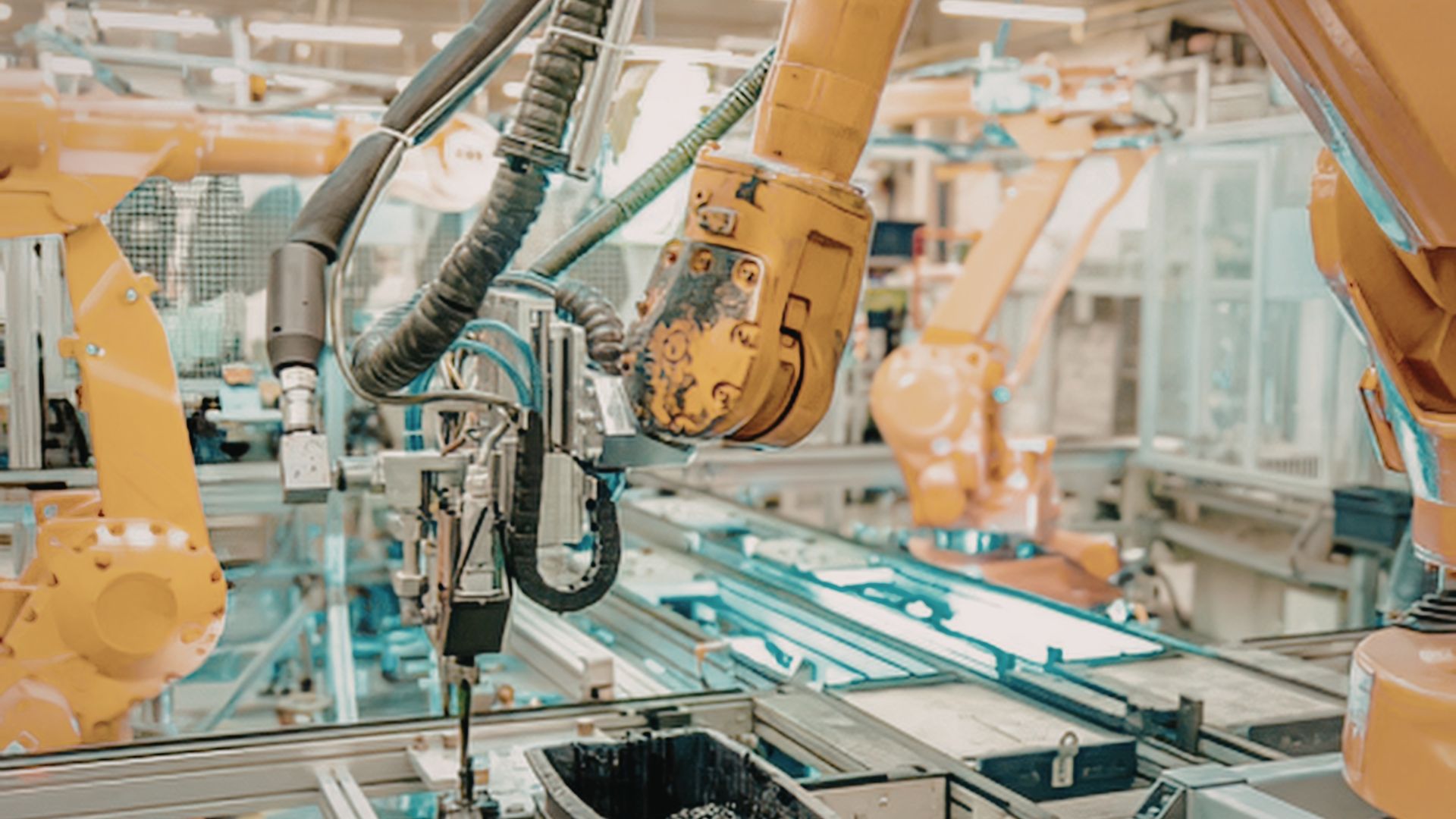
Manufacturing has undergone remarkable technological transformation during the past decade. Automated production lines, robotics, predictive maintenance systems, Industrial Internet of Things (IIoT), artificial intelligence, and advanced quality control systems have become increasingly common throughout Canadian manufacturing facilities. As production evolves, recruitment must evolve alongside it.
Today’s skilled trades professionals often possess expertise that extends well beyond mechanical repair or electrical maintenance. Many work with programmable logic controllers (PLCs), robotics software, automated conveyor systems, vision inspection equipment, CNC programming, industrial networking, and sophisticated diagnostic technologies. Hiring managers therefore require a much deeper understanding of technical competencies than in previous years.
Recruitment itself has also become increasingly technology driven. Leading staffing agencies now utilize applicant tracking systems, candidate relationship management platforms, digital skills assessments, behavioural interviewing tools, and labour market analytics to identify suitable candidates more efficiently. These technologies enable recruiters to engage passive candidates, track hiring trends, and reduce time-to-fill for difficult technical positions.
However, technology alone cannot solve recruitment challenges. Successful hiring still depends on meaningful conversations, industry expertise, and understanding both employer expectations and candidate motivations. Experienced recruitment consultants often identify subtle factors that software cannot measure, including cultural fit, leadership potential, adaptability, and long-term career aspirations.
Organizations that combine modern recruitment technology with experienced human expertise consistently outperform employers relying solely on automated hiring platforms or online job advertisements. This balanced approach produces higher-quality placements while improving employee retention and reducing recruitment costs over time.
Another important development involves employer branding. Skilled professionals increasingly research potential employers online before accepting interviews. Company websites, employee testimonials, LinkedIn activity, workplace culture, and online reviews all influence candidate decisions. Recruitment therefore extends beyond filling vacancies—it now includes building an employer reputation capable of attracting exceptional talent.
What Leading Manufacturers Are Doing Differently
Although skilled labour shortages affect nearly every employer, some organizations consistently attract stronger candidates than others. Their success rarely results from offering the highest salaries alone. Instead, these employers approach workforce planning strategically, recognizing that recruitment begins long before vacancies appear.
Forward-thinking manufacturers invest continuously in workforce development. Rather than waiting until positions become vacant, they maintain ongoing relationships with recruitment partners, apprenticeship programs, colleges, technical schools, and industry associations. This proactive approach creates access to emerging talent before hiring becomes urgent.
Many successful employers have also simplified their recruitment processes. Instead of requiring multiple interviews spread over several weeks, they streamline decision-making while maintaining rigorous evaluation standards. Skilled professionals appreciate organizations that respect their time and communicate promptly throughout the recruitment process.
Leading manufacturers also place significant emphasis on onboarding. They understand that recruitment does not end when an offer letter is signed. Structured orientation programs, mentorship opportunities, technical training, and clear performance expectations help new employees integrate more quickly while increasing long-term retention. Investing in employee success immediately after hiring frequently produces greater returns than continually recruiting replacements.
Another distinguishing characteristic involves workplace culture. Skilled trades professionals value environments where technical expertise is respected and where management actively supports safety, continuous improvement, and professional development. Organizations demonstrating genuine commitment to these principles often receive referrals from existing employees, creating a powerful recruitment advantage.
Increasingly, manufacturers are also embracing workforce flexibility. Shift options, career progression opportunities, training investments, and transparent communication have become competitive differentiators that strengthen employer brands while attracting experienced technical professionals.
Building a Long-Term Skilled Workforce Instead of Simply Filling Vacancies
Many recruitment challenges originate from reactive hiring practices. Organizations often begin searching for candidates only after an employee resigns or production demand increases unexpectedly. By that point, recruitment becomes urgent, increasing pressure on both hiring managers and recruiters while reducing available options.
Building a sustainable workforce requires a fundamentally different mindset. Rather than focusing solely on immediate vacancies, successful employers continuously evaluate future workforce needs. They identify upcoming retirements, anticipated business growth, technology investments, and succession planning requirements long before staffing shortages emerge.
Developing internal talent also plays an essential role. Apprenticeships, mentorship programs, technical certifications, leadership development initiatives, and cross-training opportunities help organizations strengthen existing teams while reducing dependence on external recruitment. Employees who see long-term career opportunities are significantly more likely to remain with their employer.
Partnerships with specialized staffing agencies provide another strategic advantage. Experienced recruitment firms maintain relationships with skilled professionals year-round rather than only during active hiring campaigns. This continuous engagement enables employers to access candidates who may never apply through conventional recruitment channels.
Long-term workforce planning also includes labour market intelligence. Understanding salary trends, regional talent availability, competitor hiring activity, emerging technical skills, and demographic changes enables employers to make informed recruitment decisions rather than reacting to labour shortages after they occur.
Ultimately, organizations that view recruitment as an ongoing business strategy rather than an occasional administrative task position themselves for sustained growth. They experience shorter hiring timelines, improved retention, stronger productivity, and greater resilience in an increasingly competitive labour market.
Industry Perspective
Research from organizations including Statistics Canada, BuildForce Canada, and the Government of Canada Job Bank consistently highlights growing demand for skilled trades professionals across manufacturing, construction, transportation, and industrial sectors. Occupations such as industrial electricians, millwrights, welders, maintenance mechanics, and CNC specialists continue to rank among Canada’s most difficult positions to fill. Employers that invest in proactive workforce planning today will be better prepared for tomorrow’s labour market challenges.
How the Right Staffing Partner Helps Employers Hire Skilled Trades Talent Faster
Finding experienced skilled trades professionals has become one of the most significant operational challenges facing Canadian manufacturers. While many organizations continue to rely on internal recruitment alone, an increasing number are recognizing the value of partnering with a staffing agency that specializes in industrial and manufacturing recruitment. The difference is not simply access to resumes—it’s access to knowledge, relationships, and a recruitment strategy built around the realities of today’s labour market.
Specialized staffing agencies spend every day engaging with trades professionals across multiple industries. Unlike employers who recruit only when vacancies arise, recruiters continuously build relationships with electricians, millwrights, welders, CNC programmers, robotic welding technicians, maintenance mechanics, production supervisors, and other highly skilled professionals. This ongoing engagement creates talent networks that are not visible through traditional job advertisements.
Another significant advantage is industry knowledge. Manufacturing recruitment requires a deep understanding of technical terminology, certifications, machinery, production processes, and safety requirements. A recruiter who understands the difference between predictive maintenance and preventive maintenance, or between GMAW and FCAW welding processes, is far better equipped to identify candidates who genuinely match the technical requirements of the position. This level of expertise reduces hiring mistakes while improving the quality of shortlisted candidates.
Speed has also become a competitive advantage. In today’s market, experienced skilled trades professionals often receive multiple employment opportunities within a very short period. Delays in reviewing applications, scheduling interviews, or making hiring decisions frequently result in employers losing exceptional candidates to faster-moving competitors. Recruitment specialists help streamline the hiring process by presenting pre-screened candidates who have already demonstrated technical capability, employment stability, and genuine interest in new opportunities.
Beyond recruitment itself, staffing partners provide valuable labour market intelligence. They understand regional salary expectations, hiring trends, candidate availability, and emerging workforce challenges. This information allows employers to develop more competitive recruitment strategies while avoiding unrealistic hiring expectations that may unnecessarily extend recruitment timelines.
For organizations experiencing rapid growth, seasonal production increases, or specialized hiring requirements, working with an experienced staffing partner provides flexibility that internal recruitment teams may struggle to achieve. Whether the need involves permanent direct hires, temporary skilled professionals, onsite recruitment support, or payroll administration, the right partnership enables employers to respond quickly without compromising hiring quality.
Preparing for the Future of Skilled Trades Recruitment in Canada
The labour market will continue evolving, but one trend appears increasingly clear: competition for skilled trades professionals is unlikely to decrease in the foreseeable future. Canada’s manufacturing sector continues investing in advanced technologies, automation, sustainability initiatives, and production expansion. These investments will require an increasingly skilled workforce capable of supporting more complex manufacturing environments.
At the same time, demographic trends suggest that experienced trades professionals will continue retiring over the coming decade. Replacing this expertise will require long-term investment in apprenticeships, technical education, workforce development, and strategic recruitment. Employers who begin preparing today will be significantly better positioned than organizations waiting until labour shortages begin affecting production.
Future recruitment success will depend on several interconnected factors. Organizations must continue strengthening employer branding, improving candidate experiences, investing in employee development, and building relationships with specialized recruitment partners. Technology will undoubtedly continue supporting recruitment processes, but human expertise, trust, and industry knowledge will remain essential for attracting highly qualified professionals.
Manufacturers should also recognize that recruitment does not operate independently of organizational culture. Companies known for workplace safety, employee development, innovation, and leadership stability naturally become more attractive destinations for experienced trades professionals. Every positive employee experience contributes to future recruitment success through referrals, reputation, and long-term workforce stability.
Ultimately, organizations that approach recruitment strategically rather than reactively will maintain a significant competitive advantage. Skilled trades professionals will remain among Canada’s most valuable workforce assets, and businesses capable of attracting and retaining this talent will be better equipped to achieve sustainable growth in an increasingly competitive marketplace.
Conclusion
The challenge of hiring skilled trades professionals in Canada extends far beyond filling vacancies. It directly influences productivity, operational efficiency, employee morale, customer satisfaction, and long-term business growth. As manufacturing continues evolving and experienced tradespeople become increasingly difficult to replace, organizations must rethink how they approach recruitment.
Traditional hiring methods alone are no longer sufficient. Employers need a combination of workforce planning, employer branding, efficient recruitment processes, and access to specialized talent networks. Companies that invest in proactive recruitment strategies today will not only reduce hiring delays but also strengthen their competitive position for years to come.
For businesses operating in manufacturing, industrial operations, logistics, warehousing, and skilled trades environments, recruitment has become a strategic investment rather than an administrative task. Every successful hire contributes to productivity, innovation, and long-term organizational success.
Partner with Pure Staffing Solutions
Since 2003, Pure Staffing Solutions has helped employers across Canada build stronger workforces by connecting them with experienced skilled trades and manufacturing professionals. Our team understands the unique hiring challenges facing industrial businesses and provides customized recruitment solutions designed to reduce hiring timelines while improving candidate quality.
Whether you need permanent direct hires, temporary skilled trades professionals, onsite recruitment support, payroll services, or Employer of Record (EOR) solutions, we work as an extension of your team to help you secure the talent your business needs.
Looking to hire skilled trades professionals in Canada?
Contact Pure Staffing Solutions today and discover how our recruitment expertise can help you build a stronger, more reliable workforce.
Frequently Asked Questions
The shortage is driven by retiring workers, increased manufacturing investment, infrastructure projects, and growing demand for highly specialized technical skills. The supply of experienced professionals has not kept pace with demand.
Industrial electricians, millwrights, welders, maintenance mechanics, CNC programmers, robotic welding technicians, production supervisors, and automation specialists remain among the most sought-after professionals across Canada.
Employers can improve hiring success by simplifying recruitment processes, strengthening employer branding, partnering with specialized staffing agencies, and maintaining ongoing talent pipelines instead of recruiting only when vacancies occur.
Specialized staffing agencies understand technical roles, maintain relationships with experienced professionals, and provide access to qualified candidates who may not actively search for jobs online.
Manufacturing, automotive, food processing, construction, mining, logistics, steel fabrication, packaging, and industrial maintenance continue experiencing significant skilled labour shortages.
Employer reputation has become increasingly influential. Skilled professionals often research company culture, safety records, employee reviews, and career development opportunities before accepting interviews.
A proactive strategy combining workforce planning, apprenticeship development, employee retention, continuous recruitment, and partnerships with experienced staffing agencies typically delivers the strongest long-term results.
Pure Staffing Solutions offers Direct Hire Recruitment, Temporary Staffing, Skilled Trades Recruitment, Manufacturing Recruitment, Onsite Staffing, Payroll Solutions, Workforce Solutions, and Employer of Record (EOR) services across Canada.
Yes. Pure Staffing Solutions supports employers and job seekers across Canada, with extensive experience serving Ontario’s manufacturing and industrial sectors.
Employers can contact Pure Staffing Solutions to discuss their workforce requirements. Our recruitment specialists develop customized hiring strategies based on industry, location, technical requirements, and long-term business objectives.
