

What Is the Difference Between Millwrights and EM Technicians

Both Millwrights and Electromechanical (EM) technicians both work in a tough industry. This means that their skills and proper technique play a vital role. A Millwright is typically described as a craftsperson who installs, dismantles, maintains, repairs, reassembles, and moves industrial machinery in factories. This can also extend to construction sites, and power plants. On the other hand, an EM technician is someone who installs, upgrades and tests electronically or computer-controlled mechanical systems.

These roles may sound similar but have quite a few differences and are important in their own way. With the way the world is changing, millwrights are going to have to expand their skill set. This is because factories and other production and manufacturing companies are investing in the latest electronic technology to have the best output.

To get a clear understanding of who does what, where, and why, let us take a look at what differentiates Millwrights from EM technicians.

Millwrights – A high school diploma is required. Apart from that, an apprenticeship for 4 to 5 years or the same amount of work experience is needed. Now, keep in mind that there are several routes you can take when it comes to becoming a Millwright. When you consider the educational path, there are generally two aspects to it. One is the education portion that takes place in a classroom. The other is the apprenticeship that you have to undergo to have the necessary in-field skills.

There is a third, less popular option. You could work as a Millwright without any formal education or without doing an apprenticeship. But, the thing about having a license is that it drives up the value of your skills in the market.

EM technicians – As an Electro-Mechanical Technician, the only requirement to work in the field is a degree or diploma from a recognized college for a course that caters to the same skill sets as the job.

Skills

Millwrights – A candidate should be able to fabricate and weld parts, detect malfunctions, and be able to repair machinery parts like bearings, gears, shafts, etc.

They should also be able to align and test equipment. Having service records and record tests noted is an essential skill and also the ability to service and repair pneumatic and hydraulic systems.

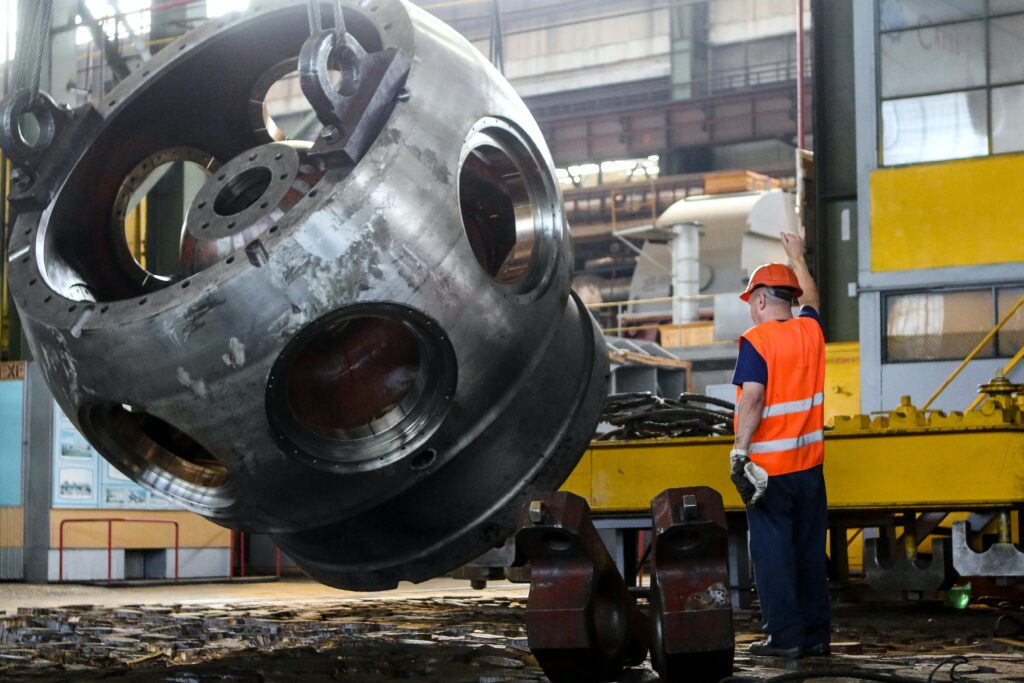
Millwrights fixing machine

EM Technicians – The skills required for an EM technician would include knowledge of electrical, electronic systems, and Programmable Logic Controller (PLC). They should also be able to install or test equipment by soldering and other hand tools. They should be able to perform preventive maintenance,  develop maintenance procedures, and work with electrical or mechanical engineers in designing and equipment. The ability to analyze and record test results as well as prepare documents for supervisors or managers is essential.

Workload or Working Conditions

Millwrights – These workers will work in industrial settings which require lifting heavy machinery. Millwrights typically do not work in labs. The ability to work from high heights is also required. The hours for this job are consistent but may also vary depending on the project.

EM technicians – Heavy lifting in the industry or factory is a criterion for EM technicians as well. They may have the ability to work in a lab if permitted and their hours are as per what the contract dictates but can be longer if jobs require more care to continue operations.

“The future belongs to those who learn more skills and combine them in creative ways.” – Robert Greene, American Author

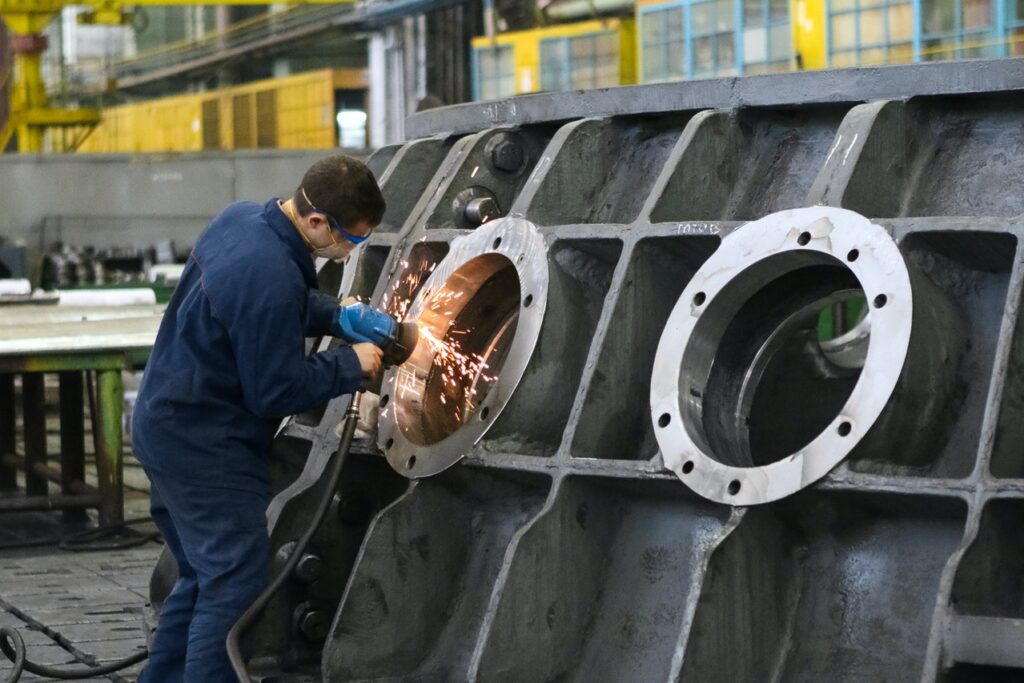
Millwrights welding

Salary

Millwrights – The average wage, as recorded in 2021, for industrial Millwrights in Canada is about $65,000 per year, which comes up to around $31 per hour in an average day’s work. However, this is just a median number and when we look at salary ranges it can vary anywhere from $47,000 per year to around $80,000 per year. You have to keep in mind that Millwrights who are just starting out as apprentices get paid towards the lower-end of the pay scale. Once they get their licenses, this number does tend to go up.

EM technicians – The average wage, as recorded in 2021, for EM technicians is $34.88 CAD per hour and $52,000 – $89,000 CAD annually for highly skilled technicians, according to a report by Electromechanical Technician Training.

Future Outlook for Both Career Paths

The unique skill of part fabrication is performed mainly by Millwrights but as the years go by EM technicians are learning new skills to adapt to the times. With everything becoming automated, EM technicians are expected to know about the latest developments. 

Both of these occupations offer great opportunities and present potential candidates with the chance to learn and evolve with the changes in industrial manufacturing.

Recent Posts

Toronto Recruitment Companies Ranked by Fit- How to Pick the Right Partner for Your Hiring Needs

Learn how to evaluate toronto recruitment companies by fit, specialization, speed, and service so you can choose the right hiring partner for your business in Toronto.

Read More

Hiring Agency Mississauga Checklist- Questions to Ask Before You Sign

Looking for a hiring agency in Mississauga? Use this practical checklist of questions to ask before signing with a staffing partner so you can hire smarter, reduce risk, and build a stronger workforce.

Read More

Brampton Work Agencies- How to Choose the Right One and Get Placed Fast

Looking for Brampton work agencies? Learn how to choose the right staffing agency, avoid common mistakes, and improve your chances of getting placed in a job quickly.

Read More

Recruitment Agencies in Kitchener: A Hiring Playbook for Manufacturers and Logistics Employers

Discover how manufacturers and logistics employers can work with recruitment agencies in Kitchener to hire faster, reduce turnover, and build a stronger workforce with the right staffing strategy.

Read More

Direct Employment Staffing vs Temp Hire- Which Option Lowers Turnover for Employers in 2026?

Direct employment staffing vs temp hire—which model lowers turnover in 2026? Learn which hiring strategy improves retention, flexibility, and workforce stability for employers.
Read More

what is a millwright? duties, tools, and wages in Canada

Discover what is a millwright in Canada, including core duties, essential tools, required skills, and average wages. Learn why millwrights are in demand and explore career opportunities in the skilled trades.
Read More