
Why Manufacturing Companies Need Specialized Recruitment Partners
Canada’s manufacturing sector has always depended on people who understand how things are built, maintained, improved and delivered. Modern manufacturing, however, requires a much broader combination of skills than it did even a decade ago. A production facility may need experienced millwrights and electricians alongside PLC programmers, automation technicians, CNC specialists, quality professionals, engineers, supervisors and production employees.
Finding those people is becoming a more specialized recruitment challenge.
For employers, the difficulty is not simply generating applications. A job posting can attract dozens or even hundreds of responses and still fail to produce the person the operation actually needs. Manufacturing recruitment depends on understanding technical experience, shift requirements, production environments, certifications, safety expectations and the practical differences between candidates who may appear similar on paper.
That is why specialized recruitment partnerships are becoming increasingly valuable. The right recruitment partner does more than forward resumes. They understand the labour market, the role being filled and the operational consequences of getting the hire wrong.
For organizations competing for talent across Manufacturing Jobs Canada, that difference can directly affect productivity, workforce stability and future growth.
1. Manufacturing Recruitment Has Become More Specialized
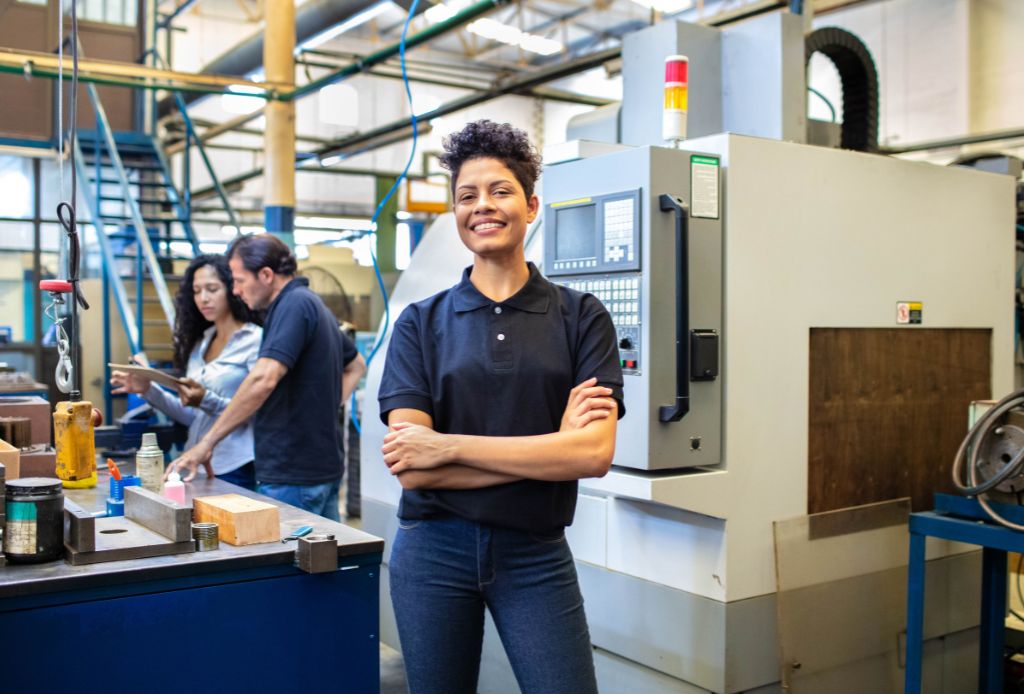
Manufacturing has changed considerably. Automation, robotics, advanced machining, computerized production systems and data-driven maintenance have transformed both the factory floor and the skills employers require.
A maintenance department, for example, may no longer need someone who is simply mechanically capable. A modern facility could require a technician who understands PLC-controlled equipment, electrical troubleshooting, hydraulics, pneumatics and preventive maintenance systems. Similarly, a production engineering role may involve robotics, CNC equipment, tooling and continuous improvement rather than traditional engineering responsibilities alone.
This creates an important recruitment problem. General recruitment methods tend to focus heavily on job titles and years of experience. Manufacturing hiring requires a deeper assessment of what candidates have actually worked with.
Two applicants may both have five years of experience as maintenance technicians, yet their capabilities could be completely different. One may have spent those years working primarily on mechanical equipment. The other may have experience troubleshooting automated production lines, PLCs, sensors, VFDs and robotic cells.
The title is the same. The operational value is not.
Specialized Recruitment Services Canada providers understand that distinction. Recruiters familiar with manufacturing can ask more relevant questions during screening and identify experience that might otherwise be overlooked. That becomes particularly important when employers are recruiting for positions where technical capability affects equipment uptime, product quality or workplace safety.
2. Canada's Manufacturing Labour Market Is Large, but the Right Skills Remain Difficult to Find
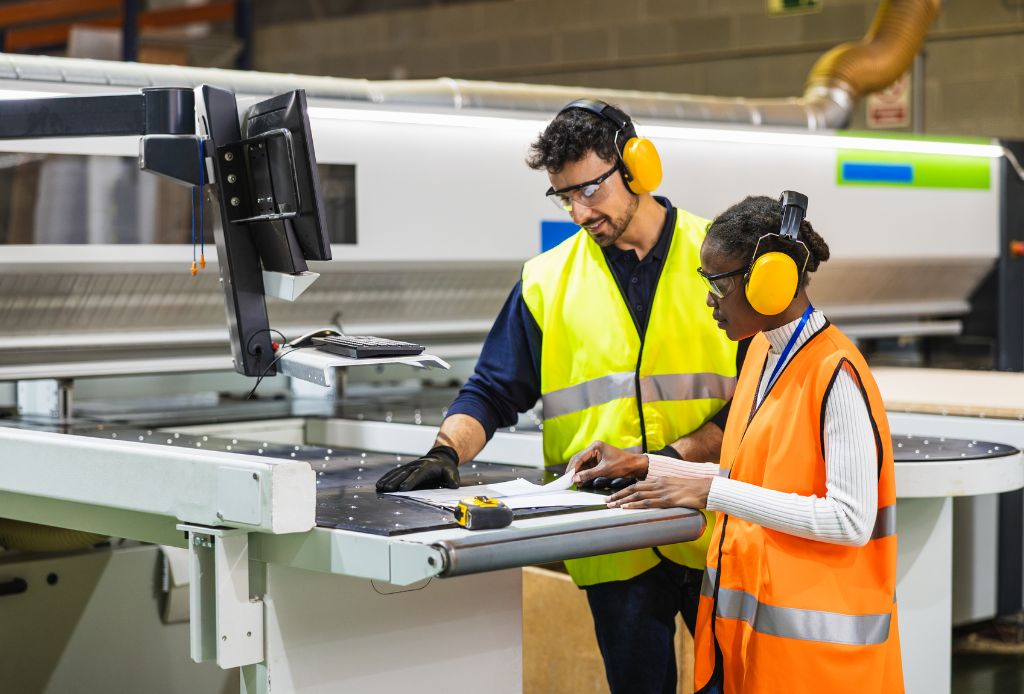
A common misconception is that recruitment should become easier whenever the broader labour market softens. Manufacturing demonstrates why that assumption can be misleading.
Statistics Canada recorded approximately 1.85 million people employed in manufacturing in 2025. Separate payroll data showed just over 1.5 million manufacturing employees in December 2025. The difference reflects the methodologies behind the respective Statistics Canada datasets, but both demonstrate the scale of manufacturing employment in Canada.
At the same time, manufacturing employers continued to report vacancies. Statistics Canada’s seasonally adjusted data recorded approximately 37,900 manufacturing vacancies in December 2025 and 36,400 in February 2026.
A changing economy therefore does not automatically eliminate specialized hiring challenges.
| Canadian Manufacturing Labour Indicator | Reported Figure | Reference Period |
|---|---|---|
| Manufacturing employment | Approx. 1.85 million | 2025 |
| Manufacturing payroll employment | Just over 1.5 million | December 2025 |
| Manufacturing job vacancies | Approx. 37,900 | December 2025 |
| Manufacturing job vacancies | Approx. 36,400 | February 2026 |
| Manufacturing vacancy rate | 2.3% | February 2026 |
Different Statistics Canada programs use different employment concepts, so employment figures should not be treated as directly interchangeable.
The numbers become even more interesting when individual occupations are examined.
Job Bank’s national projections classify machinists as facing a moderate risk of labour shortage between 2024 and 2033. In 2023, approximately 44% of workers in that occupation were aged 50 or older. Similar demographic pressures affect portions of Canada’s industrial workforce.
This matters because manufacturing recruitment is not simply about replacing today’s vacancies. Employers also have to think about succession.
A senior machinist, tool and die maker, maintenance specialist or skilled tradesperson may carry years of plant-specific knowledge. When that employee retires, replacing the position does not automatically replace that knowledge. Companies that begin workforce planning before critical employees leave have considerably more room to recruit, train and transfer expertise.
3. A Manufacturing Resume Rarely Tells the Whole Story
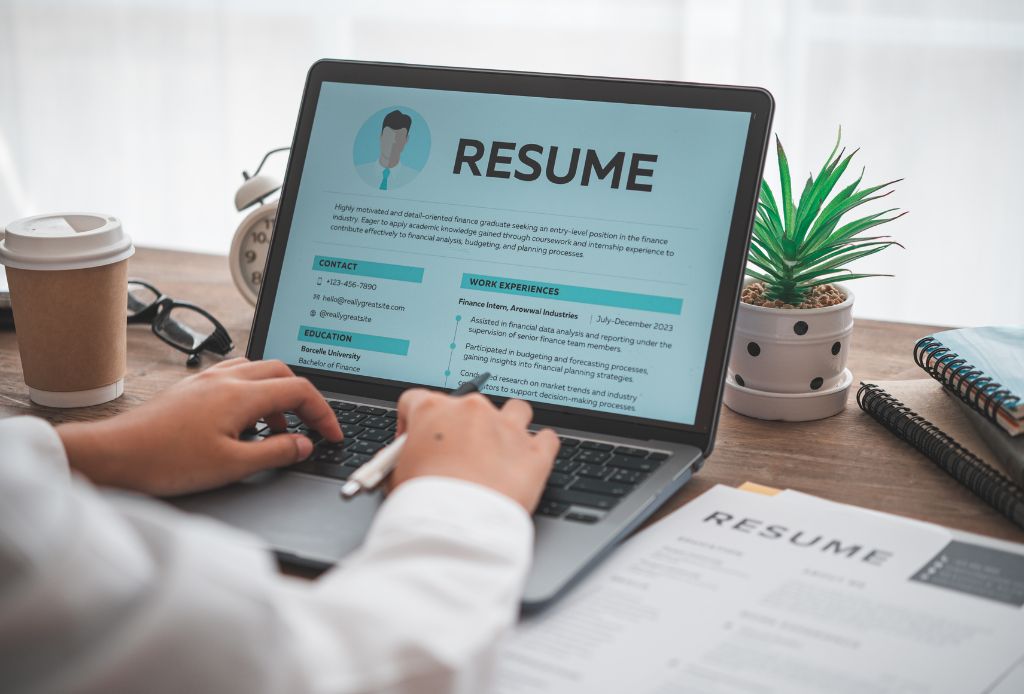
One of the biggest differences between general hiring and manufacturing recruitment is the amount of context required to evaluate experience properly.
Consider a company hiring a PLC Programmer. The resume may say that a candidate has PLC programming experience. That sounds promising, but it leaves several important questions unanswered.
- Which platforms have they programmed?
- Have they worked with Allen-Bradley or Siemens systems?
- Have they built logic or mainly modified existing programs?
- Do they have HMI experience?
- Have they worked with SCADA?
- Have they commissioned equipment?
- Can they troubleshoot a production line under real operating conditions?
The same issue appears when recruiting millwrights, industrial electricians, CNC programmers, welders, maintenance technicians and manufacturing engineers.
A candidate may have the correct title without having experience in the environment the employer operates. This is where specialized recruiters add practical value. Screening becomes less about matching keywords and more about understanding capability.
A recruiter who understands manufacturing terminology can explore the candidate’s actual equipment exposure, production environment, responsibilities and level of independence. That conversation often reveals considerably more than the resume itself.
It can also prevent qualified candidates from being rejected unnecessarily. Manufacturing professionals do not always write highly optimized resumes. An experienced technician may describe ten years of valuable hands-on work in only a few lines. A recruiter familiar with the industry can recognize the significance of that experience and investigate further. That combination – screening out weak matches while identifying overlooked strong candidates – is one of the most important advantages of specialized recruitment.
4. The Cost of a Manufacturing Hiring Mistake Extends Beyond Salary

A poor hire in any organization creates problems. In manufacturing, those problems can quickly reach the production floor.
Imagine hiring a maintenance professional who interviews well but cannot independently diagnose complex equipment failures. The cost is not limited to wages. Senior technicians may need to spend additional time supporting the employee. Preventive maintenance may fall behind. Repairs may take longer. Production interruptions can become more frequent.
For supervisory roles, the consequences can be broader. An ineffective production supervisor can influence employee turnover, scheduling, safety culture, quality and output across an entire shift. That is why the real cost of recruitment should not be measured solely by the cost of advertising a vacancy or paying a recruitment fee.
The more useful question is: What does an unfilled position or unsuccessful hire cost the operation?
For a manufacturer running high-volume production, even short periods of avoidable downtime can matter. For a company already operating with a lean maintenance department, leaving a critical technical position vacant can increase pressure on the entire team.
Specialized recruitment helps reduce that exposure by improving candidate qualification before the employer commits significant management time to interviews and onboarding.
A good recruitment process cannot guarantee that every hire will be perfect. No responsible recruiter should make that promise. What it can do is improve the quality of information available before a hiring decision is made. That is an important distinction.
5. Specialized Recruiters Reach Talent That Job Advertisements Often Miss
Posting a vacancy remains useful, but it reaches only part of the available talent market. Many strong manufacturing professionals are already employed.
An experienced millwright, controls specialist, manufacturing engineer or production manager may not spend evenings searching job boards. They may nevertheless consider the right opportunity if it offers stronger career progression, improved compensation, a better commute, greater stability or exposure to more advanced technology.
These professionals are often described as passive candidates. Accessing them requires a different recruitment approach. Specialized recruiters build networks over time. Conversations with candidates do not necessarily begin when a vacancy appears. Recruiters remain connected with professionals across manufacturing disciplines, allowing them to understand who may be open to the right opportunity even when those individuals are not actively applying. This becomes particularly valuable for difficult searches.
If an employer needs a maintenance supervisor with automotive manufacturing experience, PLC knowledge and strong leadership capabilities, waiting for the perfect applicant to discover the advertisement may produce limited results. Direct outreach allows the search to extend beyond active job seekers. Candidate relationships also provide useful market intelligence.
Recruiters hear why employees are considering moves, which skills are becoming harder to find, what compensation expectations are changing and what factors cause candidates to accept or reject opportunities. Employers can use that information to make more competitive hiring decisions.
Know more about how a staffing company find the right talent in a competitive market
6. Manufacturing Hiring Is About Operational Fit, Not Just Technical Fit
Technical skills matter, but they are only part of a successful manufacturing placement. The work environment matters too.
Someone who performs exceptionally well in a highly automated automotive facility may not necessarily enjoy working in a smaller custom fabrication environment. A candidate accustomed to day shifts may struggle with continental rotations. Someone comfortable working within a large maintenance department may not be suited to a position requiring considerable independent troubleshooting. These differences rarely appear in a keyword search. Recruitment therefore needs to consider how the candidate will actually work.
Shift schedules are particularly important. Manufacturing facilities operate days, afternoons, nights, rotating shifts, continental schedules and weekend arrangements. Candidates need to understand those expectations before reaching the final stages of recruitment.
Location is another practical factor. A position may look attractive until commuting time is considered. In industrial areas with limited public transportation, reliable transportation can become an important consideration.
Compensation, overtime, benefits, workplace culture, career progression and management expectations also influence whether a placement succeeds. A specialized recruiter helps both sides address these realities earlier. That creates a better candidate experience while reducing the possibility of employers investing time in applicants who were never realistically going to accept or remain in the position.
7. Recruitment Partners Give Internal HR Teams More Time to Make Better Decisions
Working with a recruitment firm does not mean replacing internal HR. In many organizations, the strongest model is collaboration.
Internal HR teams understand company culture, policies, leadership and long-term workforce plans. Specialized recruiters bring candidate networks, market knowledge, sourcing capacity and experience recruiting specific occupations. Together, those capabilities can create a stronger process.
Consider an employer receiving 150 applications for a technical vacancy. Reviewing every resume, conducting preliminary calls, verifying basic requirements and coordinating interviews requires substantial time. If only a small percentage of applicants actually possess the required technical experience, much of that effort produces little value.
A specialized recruitment partner can perform the early qualification work and present a smaller group of candidates who meet the core requirements.
The employer can then spend more time evaluating the candidates who genuinely deserve consideration. This becomes particularly valuable when several positions need to be filled simultaneously. A new production line, facility expansion or major customer contract can create demand for technicians, operators, supervisors and engineers at the same time. Internal HR teams may be capable of managing each vacancy individually but struggle with the volume and urgency of recruiting all of them together.
Recruitment partners provide additional capacity without requiring the employer to permanently expand its internal recruiting department.
8. Temporary Staffing and Direct Hire Solve Different Manufacturing Problems
Specialized recruitment is also valuable because manufacturing workforce needs are rarely identical throughout the year. Some positions represent permanent, long-term requirements. Others emerge because of seasonal demand, production increases, employee absences, new contracts or temporary projects. Using the same hiring model for every situation can create unnecessary cost and inflexibility.
Direct hire is generally appropriate when the organization is building long-term capability. Engineering positions, supervisors, managers, skilled trades and specialized technical roles often fall into this category.
Temporary staffing provides flexibility when workforce demand changes more quickly. Manufacturers may need additional production workers during peak periods, coverage for absences or temporary support while permanent recruitment continues.
| Workforce Situation | Potential Hiring Approach |
|---|---|
| Long-term technical position | Direct Hire |
| Production demand increase | Temporary Staffing |
| Specialized skilled trade | Direct Hire or Temporary-to-Permanent |
| Employee leave coverage | Temporary Staffing |
| New production line | Combination Workforce Strategy |
| Senior leadership position | Specialized Direct Hire |
| Short-term project | Temporary or Contract Staffing |
A specialized recruitment partner can help determine which model makes sense instead of automatically recommending the same solution. This is particularly useful when workforce demand is uncertain.
An employer may initially require temporary support but later identify employees who are suitable for longer-term opportunities. In other situations, the organization may know from the beginning that a highly specialized position needs a permanent employee.
Recruitment strategy should follow the operational requirement – not the other way around.
9. Canada's Manufacturing Workforce Is Changing—Recruitment Strategy Has to Change with It
Canadian manufacturing is navigating several workforce changes simultaneously. Technology is changing job requirements. Experienced workers are approaching retirement. Younger workers are entering manufacturing through different pathways. Economic uncertainty can cause employers to alternate between cautious hiring and urgent recruitment when demand returns.
Canadian Manufacturers & Exporters reported in 2025 that Ontario manufacturers were dealing with an aging workforce alongside economic and trade uncertainty. Its workforce research, based on input from more than 100 manufacturers, educators and regional workforce stakeholders, found that 28% of surveyed manufacturers had frozen hiring amid trade uncertainty.
A hiring freeze does not mean workforce challenges disappear. When investment resumes or demand changes, organizations may need to recruit quickly. At the same time, retirements, turnover and specialized skill requirements continue to affect workforce planning.
Manufacturers therefore need recruitment strategies that can respond in both directions.
- During expansion, they need access to candidates quickly.
- During uncertain periods, they need flexibility.
- During technological change, they need new skills.
- During succession periods, they need people capable of eventually replacing experienced employees.
That is why recruitment should increasingly be connected to workforce planning rather than treated as an administrative reaction to an empty position.
10. What the Right Manufacturing Recruitment Partnership Should Look Like
A specialized recruitment partner should understand your operation before recommending candidates. That begins with the job description, but it should not end there.
Recruiters need to understand what the employee will actually be expected to accomplish, which technical requirements are essential, which skills can be developed, what type of manufacturing environment they will enter and why previous employees have succeeded or struggled in the role. Communication also matters.
Manufacturing recruitment can move quickly, particularly when strong candidates have several opportunities available. Employers need timely feedback, and candidates need clear expectations. Delays between interviews and decisions can result in qualified people accepting opportunities elsewhere.
Transparency is equally important. Recruiters should be comfortable telling an employer when the requested candidate profile is difficult to find, when compensation appears misaligned with the market or when expectations may need adjustment.
The best recruitment relationships are therefore consultative rather than transactional. The objective is not to submit the greatest number of resumes. It is to help the employer make a better hire.
Building Manufacturing Teams with Pure Staffing Solutions
Manufacturing recruitment requires an understanding of people and production.
Pure Staffing Solutions has supported Canadian employers since 2003, helping organizations recruit across manufacturing, skilled trades, engineering, industrial operations and related workforce functions.
Our approach goes beyond matching job titles. We work to understand the technical requirements, work environment and business priorities behind each position so employers can spend their time meeting candidates who are genuinely relevant to the opportunity.
Whether you need permanent technical talent, temporary production support or a broader workforce solution, Pure Staffing Solutions can help build a recruitment approach around your operation.
Need support with your next manufacturing hire?
Connect with Pure Staffing Solutions to discuss your workforce requirements and discover how specialized Recruitment Services Canada can help you build a stronger manufacturing team.
Frequently Asked Questions
Manufacturing roles frequently require specific technical experience, equipment knowledge, certifications and familiarity with particular production environments. Specialized recruiters understand these requirements and can screen candidates beyond basic job titles and resume keywords.
Manufacturing recruitment can cover positions ranging from production and general labour to millwrights, electricians, CNC professionals, PLC programmers, maintenance technicians, engineers, supervisors and management roles. The positions supported will depend on the recruitment firm’s areas of expertise.
Yes. Recruitment partners often complement internal HR teams by providing additional sourcing capacity, specialized candidate networks and labour-market knowledge. Internal HR can remain responsible for final hiring decisions and organizational fit.
The reasons vary by occupation and region. Factors can include specialized technical requirements, retirements, limited candidate pools, location, shift schedules and competition between employers. Government of Canada Job Bank projections indicate that some manufacturing-related occupations face longer-term shortage risks.
Temporary staffing is commonly used when employers require workforce flexibility, short-term coverage or additional production capacity. Direct hire is generally suited to positions where the employer intends to establish a long-term employment relationship from the beginning.
Specialized recruiters can screen candidates for relevant equipment experience, certifications, production environments, technical responsibilities, shift availability and other role-specific requirements before referring them to the employer.
Yes. Specialized recruiters frequently maintain professional networks and conduct direct candidate outreach. This can provide access to qualified professionals who may consider a new opportunity but are not actively applying through job boards.
The recruiter handles much of the sourcing, initial screening and candidate qualification process. Employers receive a more focused shortlist rather than reviewing large numbers of unrelated applications, although actual time-to-hire will depend on the role and labour market.
Manufacturers should consider industry knowledge, experience recruiting relevant occupations, screening quality, communication, candidate networks and the recruiter’s ability to understand the employer’s actual operating environment.
Pure Staffing Solutions works with Canadian employers on manufacturing and industrial workforce requirements, including skilled trades, technical, engineering, production and related positions. Solutions can be structured around permanent hiring, temporary staffing and broader workforce needs.